+917045453724
 sales@archeracp.com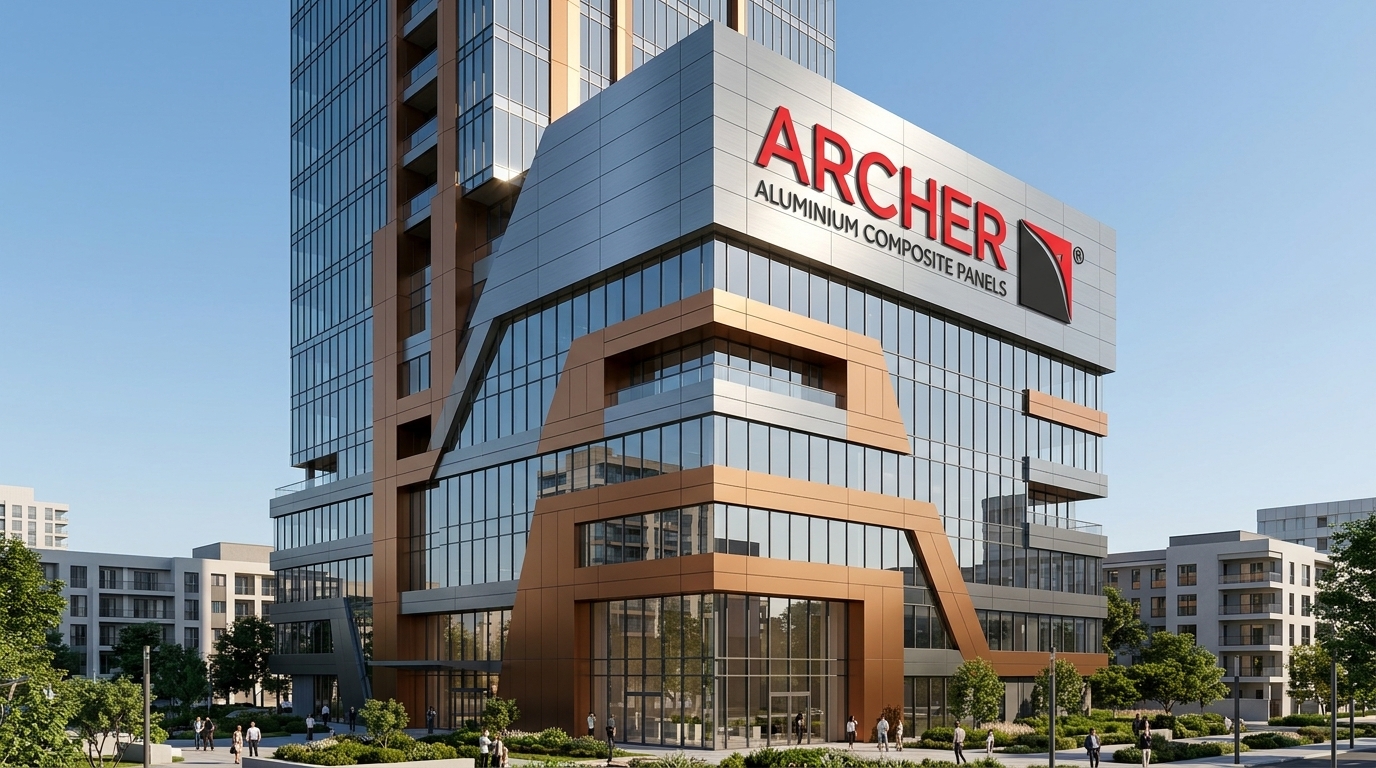

The exterior of a building forms its first (and often lasting) impression․ It plays an important role in protecting the building interior from environmental elements․ Architects‚ builders and property owners have increasingly used exterior cladding to improve facade appearance‚ durability and performance․
Exterior cladding is available in a wide variety of materials‚ colors‚ textures‚ and finishes for residential‚ commercial‚ retail‚ hotel and institutional buildings․ ACP sheets are used widely in modern buildings due to their aesthetics‚ and the freedom to use a variety of external applications to create the desired design․
In architecture and construction‚ an exterior cladding (also called siding) is a protective or decorative layer added to the outside of a wall of a house‚ building‚ or other structure․ Cladding is used as decoration‚ and to improve thermal performance․
Wall cladding can be applied to both new and existing buildings․ It is often used on the exteriors of commercial‚ office‚ apartment and motel buildings as well as shopping centres‚ hospitals‚ schools‚ restaurants‚ showrooms and retail outlets․
The right cladding material can transform a basic‚ run-of-the-mill exterior wall into a modern‚ beautiful work of art․
Selecting an appropriate exterior cladding has numerous aesthetic and practical advantages‚ including:
One of the greatest advantages of exterior cladding is the increased aesthetics of the property․ Because of the use of many different colors‚ patterns‚ textures‚ and finishes‚ architects can create a unique-looking building
Cladding may also be used to highlight certain features of a building‚ such as entrances‚ balconies‚ columns‚ or canopies․
Such buildings are exposed to sunlight‚ dust‚ rain‚ winds‚ humidity variations‚ and variable climates․
A well-designed exterior cladding system can also be viewed as a second skin that shields a building's exterior walls from the environment․
Modern buildings use geometric‚ clean lines‚ bright colors‚ and smooth materials in their construction․
External cladding can be made from many different materials‚ depending on the design and the location‚ as well as the budget‚ maintenance needs‚ and architectural style․
Aluminium Composite Panels‚ or ACP sheets‚ are among the most commonly used modern materials in cladding․
ACPs are available in a broad palette of colors and surface finishes‚ and used for:
The great design flexibility of ACP exterior cladding makes it suitable for modern architecture․
Natural stone and manufactured stone cladding can create a high-end and luxurious appearance and may be used on private residences‚ hotels‚ entranceways‚ and luxury developments․
Stone can also be used for architectural purposes‚ but needs to be sized‚ interlocked‚ and maintained carefully due to its weight․
Glass is commonly used for corporate office buildings‚ skyscrapers‚ commercial buildings‚ and modern architecture․
It gives buildings an advanced finish‚ and can be combined with other materials such as ACP panels to produce ornate facade designs․
Brick cladding is used when an older‚ traditional appearance is preferred․ Brick cladding is often used in residential and institutional buildings where natural or classical facades are desired․
Metal cladding is commonly used on commercial‚ industrial‚ and property modern architectural style buildings‚ and can provide clean lines or a modern appearance depending on the material chosen․
The ACP sheet may be a solid color‚ or may also be in the form of metallic‚ wood‚ stone or other designs․
This allows architects and designers to choose a finish that will go with the theme of the building․
ACP cladding provides a neat appearance for the building facade and is well-suited to buildings that require a modern corporate image․
ACP panels may be used to cover the entire elevation of a building or part of it․
By changing the spatial arrangement‚ size‚ color‚ and layout of these panels‚ unique facades can be created․
The exterior cladding of an ACP can be considered for any number of projects‚ including:
Contemporary exteriors are not always clad in one uniform material and architects often combine materials to produce fashionable elevations with their own distinct character․
Popular exterior cladding design ideas include:
Several factors should be considered when choosing an exterior cladding․
The cladding for commercial offices‚ residential buildings‚ hotels‚ showrooms and hospitals has different functions and design requirements․ Cladding should be appropriate to the building in question․
Remember to consider precipitation‚ humidity‚ sunlight‚ proximity to the coast and levels of pollution when choosing exterior materials․
Cleaning and maintenance requirements vary by cladding material‚ and the design of the cladding system should be guided by the particular maintenance requirements․
The cladding itself‚ its color and finish‚ has the greatest effect on the final appearance of the building․
The design must be in harmony with the architecture‚ surroundings and project concept․
Proper installation of exterior cladding is important for both its appearance and its performance․
Panel alignment‚ supports‚ joints‚ fastenings‚ edge treatments‚ and drainage or water removal should be planned and addressed․
The choice of exterior cladding can considerably impact the appearance and architectural context of a building․
Aluminium Composite Panels give architects‚ designers‚ builders and property owners a great deal of freedom to design modern building exteriors․ ACP panels are used in commercial and residential buildings‚ corporate offices‚ retail stores‚ showrooms‚ hotels and other architectural applications․
Archer ACP can be used for modern architecture applications‚ with a wide range of colors‚ finishes and designs available‚ our ACP sheets can be adapted to suit many modern architectural designs․
Choosing an exterior building material must take into account building type‚ design requirements‚ climate‚ system of installation‚ required finish and maintenance and local codes‚ standards‚ inspections and requirements․
Exterior cladding is a protective layer added to the outside walls of a building. It also improves the building’s appearance and overall facade design.
Common materials include ACP sheets, stone, glass, brick, metal, and fibre cement. The choice depends on design, budget, climate, and maintenance needs.
Yes, ACP sheets are widely used for exterior cladding due to their modern look and design flexibility. They are suitable for commercial, residential, and retail buildings.
Exterior wall cladding improves appearance and adds an extra protective surface to the building. It can also help modernise old or outdated facades.
Choose a material based on building type, climate, design, maintenance, and budget. Installation requirements and applicable building standards should also be considered.